At this point, this dispatch beyond being my little island of analog photography as an enthusiast, also carries a heavy dose of technocratic-existential, almost insurgent (yet idealistic) thoughts. But the goal is also to talk a bit about the gear I use on my analog outings, aiming to frame what I love most around me and what I truly value preserving beyond a pixel.
After the seed that the Polaroid Go planted so well in my creative side, and after claiming the Polaroid Now from my wife, I decided a couple of years ago to buy another camera. The Polaroid Now+ crossed my path on Amazon with a very good price tag (sure, it was months before the launch of the Polaroid I-2, but that’s a story for another article).
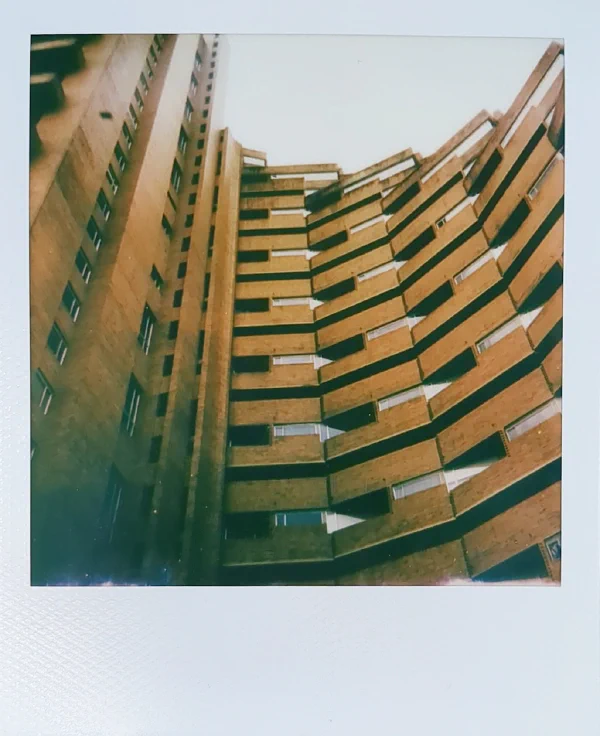
Fig 14. In my city, in the middle of a photowalk treasure hunt with the Polaroid Now+
The Digital Pitch in an Analog Process
What was the difference compared to the camera I kidnapped from my wife? First of all, the manual control of almost all settings through the app—nearly “pro” level, (I would say) for taking a shot: self-timer, exposure compensation, aperture priority, remote shutter, or full manual mode. For someone who works in the tech industry, this crossroads between both worlds looked cool: keeping the purity of an analog image while taking advantage of portable digital tools, all without digital retouches, filters, or any translation of pixels into the final frame.
Although I initially used it like any other Polaroid camera I had tried before (only two… for now), a simple point-and-shoot with the advantage of autofocus, I slowly started to embrace its extended capabilities, its “Plus.” But paradoxically, once I actually went out to shoot, I also started digging into articles and videos breaking down the app’s functions.
The App: Welcome Upgrade or Just a Hassle?
I was in for a surprise. Beyond the technical breakdowns of autofocus and exposure, the remote “digital” side triggered completely opposite reactions. While some loved extending the camera’s capabilities through a smartphone, others found the whole process clunky. Unless the camera sits on a tripod (a tool I own but rarely use), juggling the camera in one hand and a phone in the other turns into a hassle for any spontaneous “take a shot and keep walking” analog moment. I wouldn’t call it a total nightmare; taking a Polaroid is always a joy with that dreamy signature look, but for any enthusiast of the format, having to rely on an app to get the most out of the camera isn’t the most pleasant experience.
In fact, on a short trip with my wife, trying to control every single detail through the app while taking photos with my new camera had me completely tangled up whenever I wasn’t using a tripod for a planned shot. So, I decided to put the app aside and prioritize being present in the moment, which, after all, is the whole point of this analog adventure. Still, it’s not all complications with the Polaroid Now+. The addition of physical lens filters opens up a creative path I had previously mentioned with the Polaroid Go. And again, although I’m not much of a daredevil with them, I’ve managed to get a couple of nicely stylized shots in the name of experimentation.
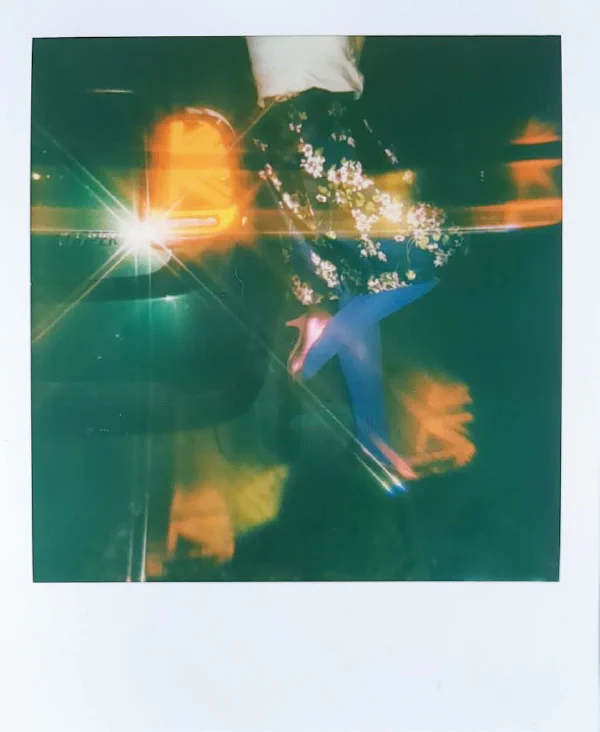
Fig 15. My favorite filter of the Polaroid Now+ so far, my favorite car since childhood, and my favorite person forever.
Physical Filters: Real Fun, Not for Digital Posers
The blue, orange, and yellow color filters, along with a weird red one that has a circular cutout in the center (which I discovered looks great for black and white, though in color it looks genuinely creepy, like an omen for the apocalypse), plus a transparent starburst filter etched with beveled crosslines, are a great creative spark. Personally, that starburst filter guarantees that the etched glass catches the light to create unique flare patterns in the print. It adds an extra layer of anticipation and intrigue while the photo develops, on top of that distinct magic Polaroid already carries.
And in a way, that tactile experimentation is why this article serves as an interlude. It isn’t just about the cameras I use alongside my recurring existential takes on technology, nor just about the relief valve this blog has become for my analog photography enthusiasm. It is also a tease for the arrival of the Polaroid I-2, a camera that will eventually get an entire article of its own.
It is undeniable that the Polaroid Now+ brought real progress and innovation with its pitch for manual control. For planned, “creative” photo sessions, the kind with controlled studio lighting, custom backdrops, and the skills of a true professional photographer who is 42 times better than me, using the app is a genuine asset. Yet for many enthusiasts like me (and honestly, even for some pros), juggling manual settings through a smartphone on the go simply isn’t an everyday practice. Still, I must make one important exception: the included filters are genuinely enjoyable and worth praising. They spark the exact kind of creativity, playfulness, and quirks that Polaroid shooters value so much.
- The Polaroid Now+ ‘adds’ new ways to create instant photos.
- Pun intended.